Dutch Lake Residence: one communication platform for what happens and when
How we built one communication platform for Dutch Lake Residence, where residents, media and partners find what happens in the Vlietlanden, and when.
Dutch Lake Residence is an area development in the Vlietlanden where nature, recreation and housing come together. For Dutch Lake Residence we designed and built the communication platform. It isn't a sales site, but a place where everyone following the project can quickly see what is going on.
Lots of people keep an eye on an area development. Local residents, stakeholders, the media and the parties involved each look for something different. Yet they all expect the same thing: clarity about what is happening and when. That is what this project was about.
The project in brief
- Client
- Dutch Lake Residence, area development in the Vlietlanden.
- Sector
- Area development and real estate.
- What we did
- UI design in Figma, a custom front end, a headless CMS and a foundation for performance and SEO.
- Technology
- React, Next.js and a headless CMS.
- Period
- 12 weeks from the first strategy session to go-live, followed by extensions in iterations of 1 to 2 weeks.
What was the challenge for Dutch Lake Residence?
The information about the project did exist, but it was scattered and hard to find. Every audience looks for something different, while they all want clarity. So the question wasn't how much we could build. The question was how to make a project with many phases and parties easy to follow.
I think that distinction matters. With many websites, the reflex is to add more: more pages, more features, more visuals. Here that would have backfired. Every extra page is one more place where information can go out of date.
An area development also changes all the time. There is a new phase, a news item or a question from local residents. A site that needs a developer for every change will always be behind.
Why did we choose this approach for the communication platform?
Because not every website has to sell. This one mainly had to do one thing: make a project with many phases and parties understandable. That drove every decision, from organising the site by role to the calm of the design. That is why we chose reusable modules in a headless CMS.
My view: a communication platform is only good if the editorial team can keep it up to date without us. We build it, but they tell the story. If they have to call us for every new phase, we've done something wrong.
That is why the content is built from modules rather than separate pages. A new phase is then something you publish, not a rebuild. Want to know more about building this way? Read how we work with Next.js development.
Does your project need to be clear to different audiences too? We design and build custom websites, with a CMS your team manages itself.
See custom website developmentHow did we build it?
In 12 weeks, with a front end in React and Next.js that pulls content from a headless CMS. Design, development and content partly ran in parallel. Pages are generated in advance and cached. So a visitor gets a ready-made page straight away. The HTML structure is set up so search engines can read the content properly.
Working in parallel was a deliberate choice. That way the content didn't have to wait until the last screen was finished, and the design didn't stall until the technology was ready. Since go-live we have kept building in quick iterations of 1 to 2 weeks.
What is a headless CMS?
With a headless CMS, the content is separate from the website that displays it. The editorial team manages structured modules, and the front end fetches them. The same information can then appear in several places without anyone having to keep it up to date twice.
For this project, that was exactly what was needed. An update about a phase belongs on the timeline, but also on the page for local residents and perhaps in the news overview. With separate pages you change it three times. With modules you do it once.
How do you find information on the platform?
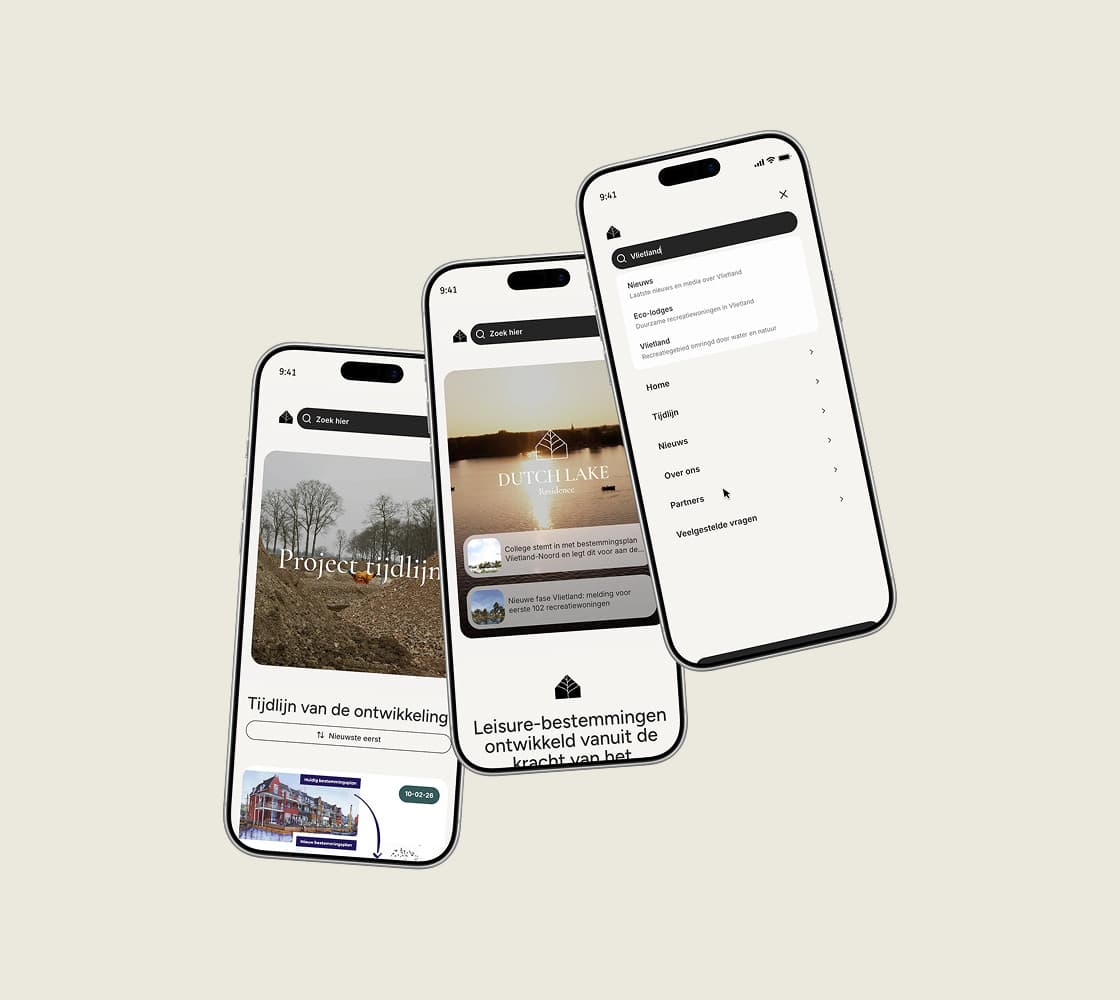
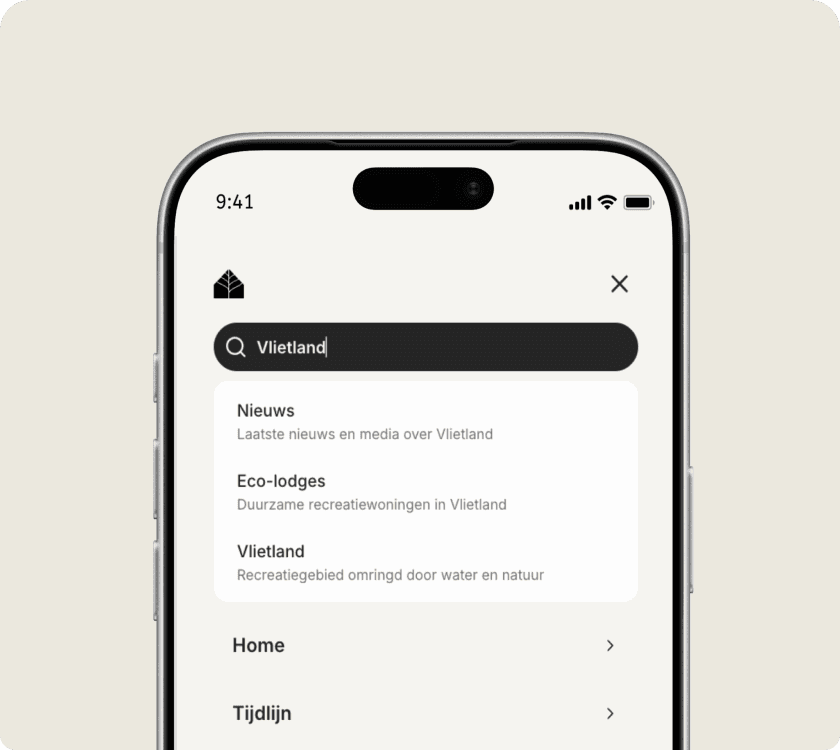
Through a structure based on role and information need, and through search. Anyone who types "Vlietland" on their phone gets instant suggestions for news, eco-lodges and the recreation area itself. There is also a project timeline and a news overview. Anyone with a question finds the contact form with a map of the area.
Wondering roughly what a platform like this costs? On our page about the cost of having a website built you can read what the price depends on.
What does the Dutch Lake Residence design look like?
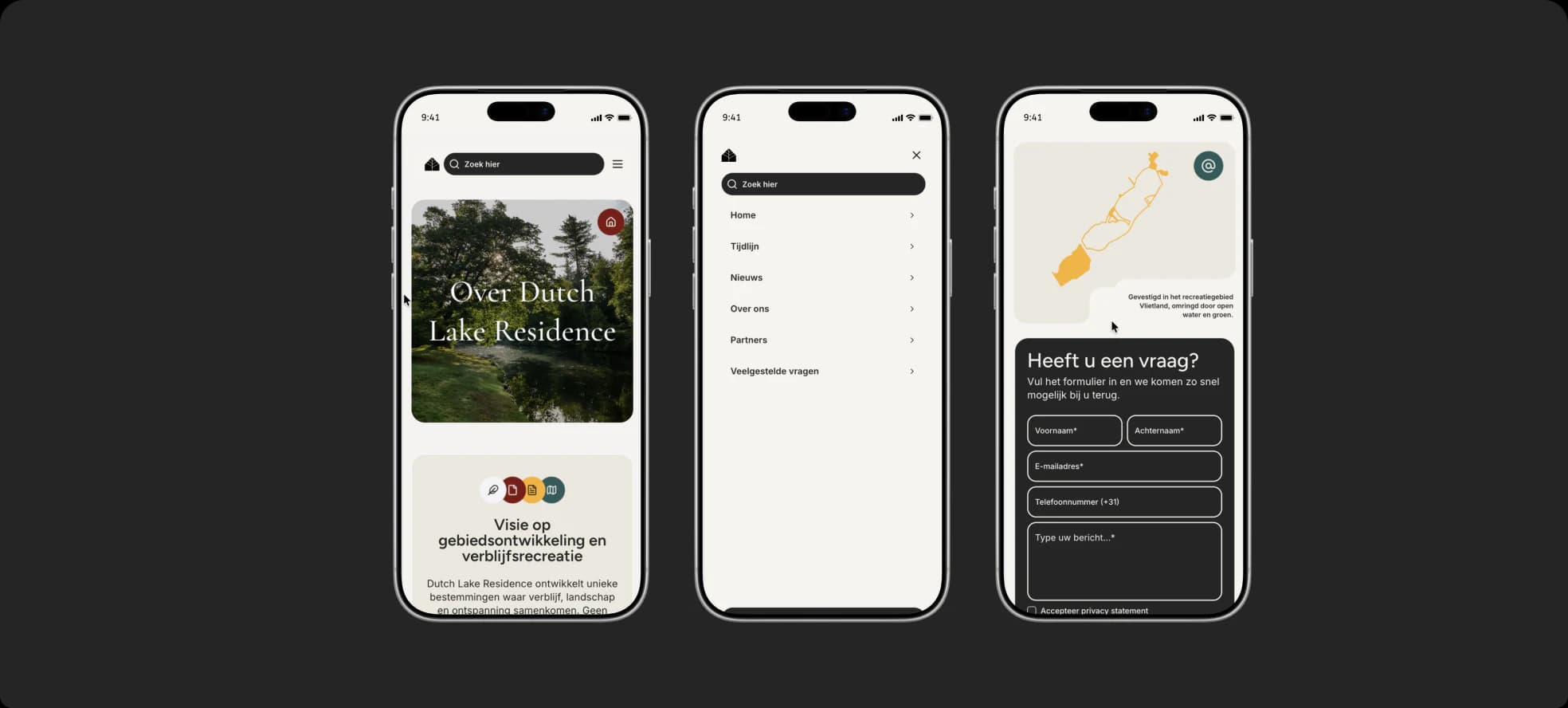
The design was made to measure in Figma, with the emphasis on calm, hierarchy and readability. So there is little that shouts. That suits a project in a nature area, but above all it suits the goal: people need to find what they are looking for quickly, on their phone too.
Calm in a design isn't a lack of choices, by the way. It is the result of many choices about what to leave out. A clear hierarchy puts the most important information at the top. Good readability means a local resident without specialist knowledge understands what it says.
What did it deliver?
The editorial team now manages the content themselves. They add phases, audience pages and news items from the CMS. There is one source for communication with every audience, instead of separate pages that each need their own upkeep. New phases don't call for a new development round.
The technology does its job too. Pages load in under a second and at handover the site was green on the Core Web Vitals. For a local resident on an old phone, that makes a real difference.
We built a similar setup with Next.js and a headless CMS for Sprints & Sneakers. That was about a brand rather than an area, but there too the team manages the content themselves.
Want everyone to understand what is happening in your project? Tell us who is following it and we'll work out the simplest setup together.
Book an intro callUpdated
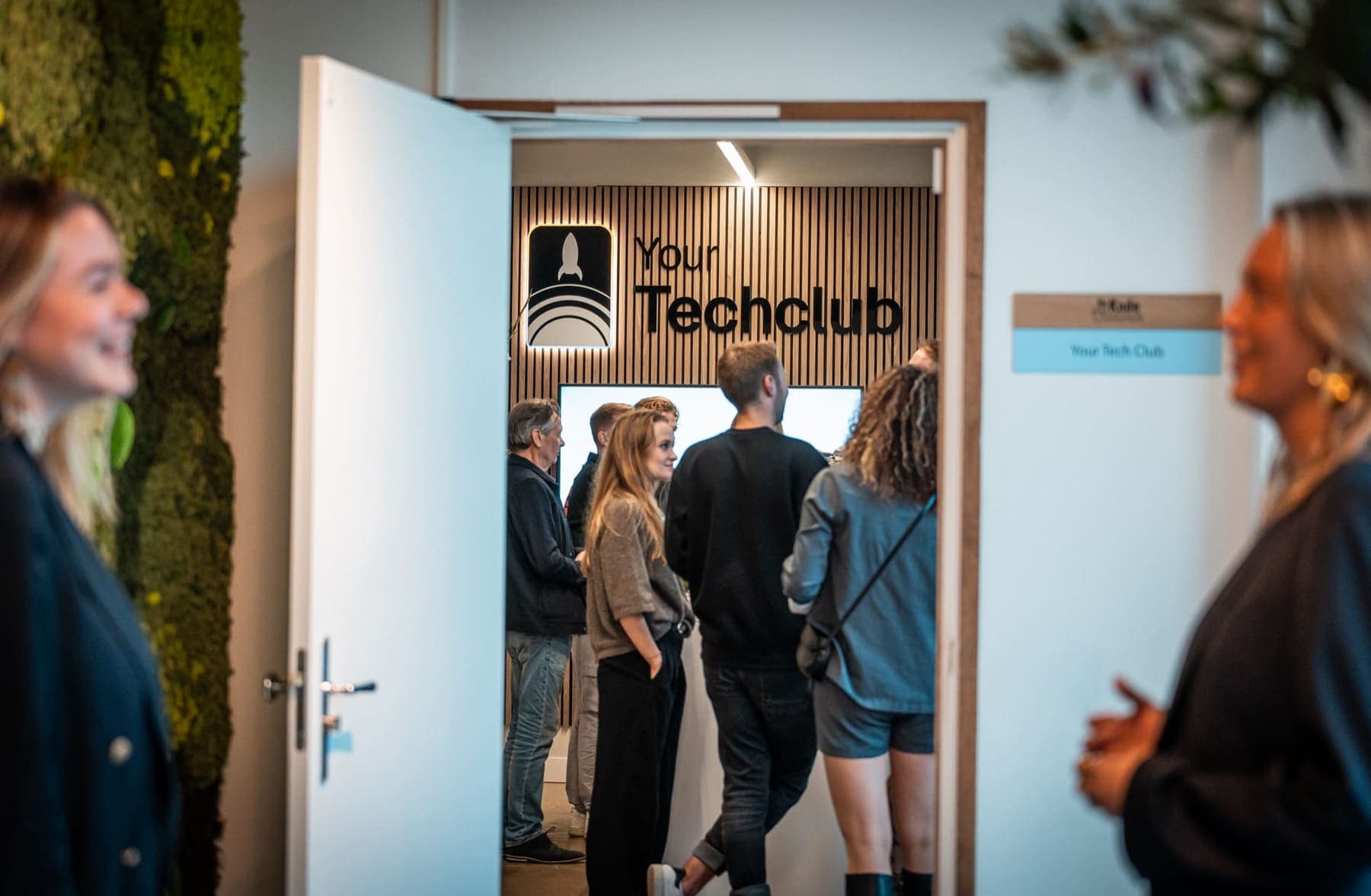
Get in touch with us directly. We'll get back to you as soon as we can


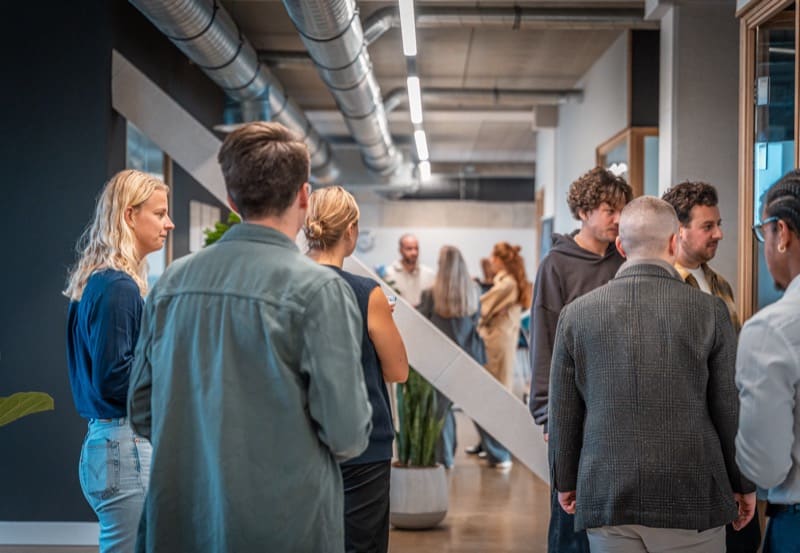 Your message goes straight to our team in Amsterdam.
Who built the Dutch Lake Residence website?
Your Tech Club. We did the UI design in Figma, built the custom front end and set up the headless CMS where the editorial team manages the project information.
What did Your Tech Club build for Dutch Lake Residence?
A communication platform for the area development. All project information comes together there, organised by the audiences following it: local residents, stakeholders, the media and the parties involved.
What technology does Dutch Lake Residence run on?
On a front end in React and Next.js with a headless CMS behind it. Pages are generated in advance and cached, so the visitor gets a ready-made page.
What is a headless CMS and why was it chosen here?
With a headless CMS, the content is separate from the website that displays it. The editorial team manages structured modules, and the front end fetches them. That means the same information can appear in several places without you keeping it up to date twice.
Can the platform grow as the project changes?
Yes. The content is built from reusable modules, so the editorial team adds new phases, audience pages or channels from the CMS. No new development round is needed to add a phase.