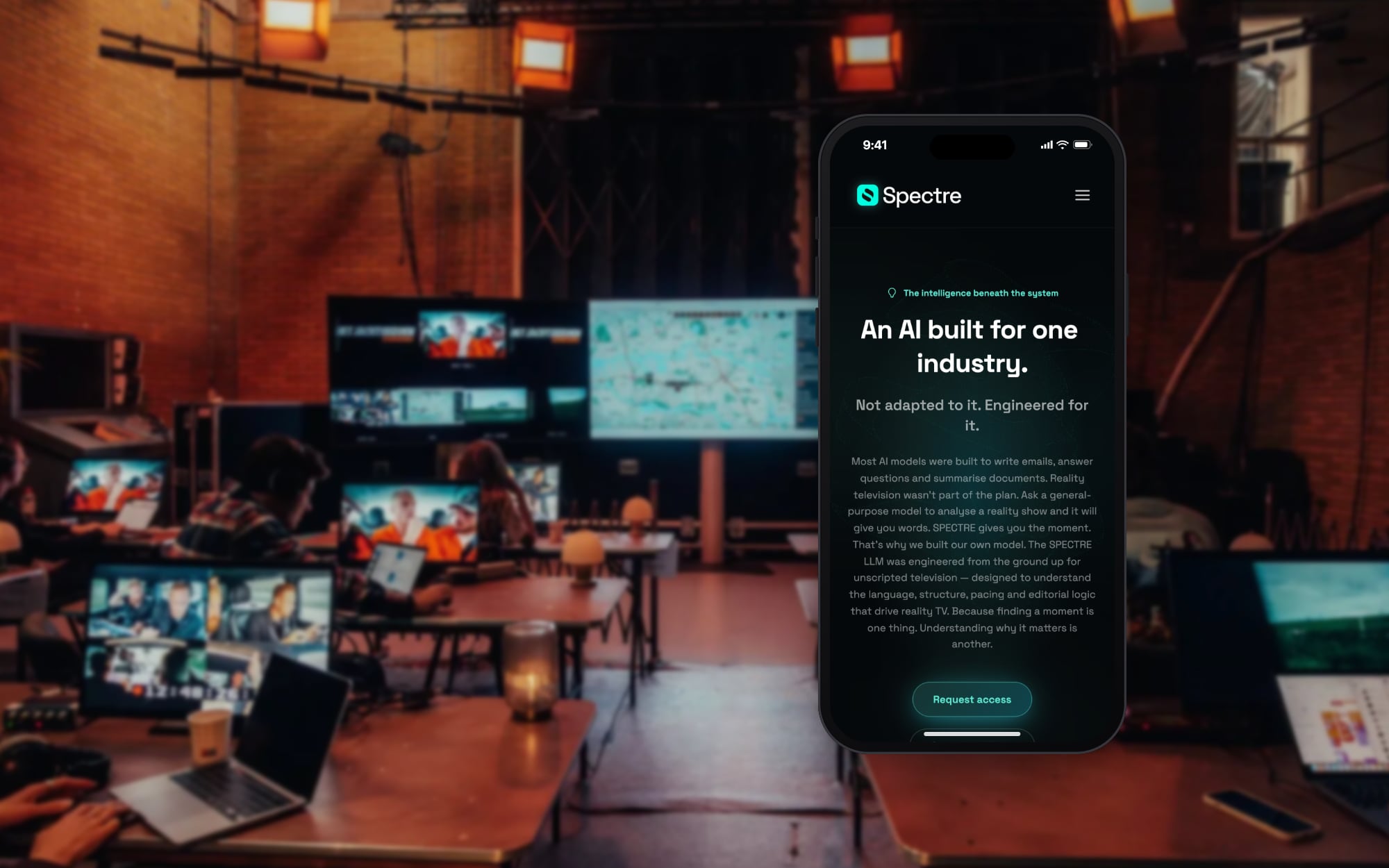
Spectre, with Signal.Stream
AI platform that finds the moments in reality TV footage that make the story.
View the case SERVICESMEDIA AND ENTERTAINMENT
A release, an open call, a concert season or hours of footage. We built the platforms and sites that have to work at that moment: for VIRPP, ADE, RUMAG and Bar-le-Duc, and together with Signal.Stream.

 ISO 9001 & 27001
AI platform that finds the moments in reality TV footage that make the story.
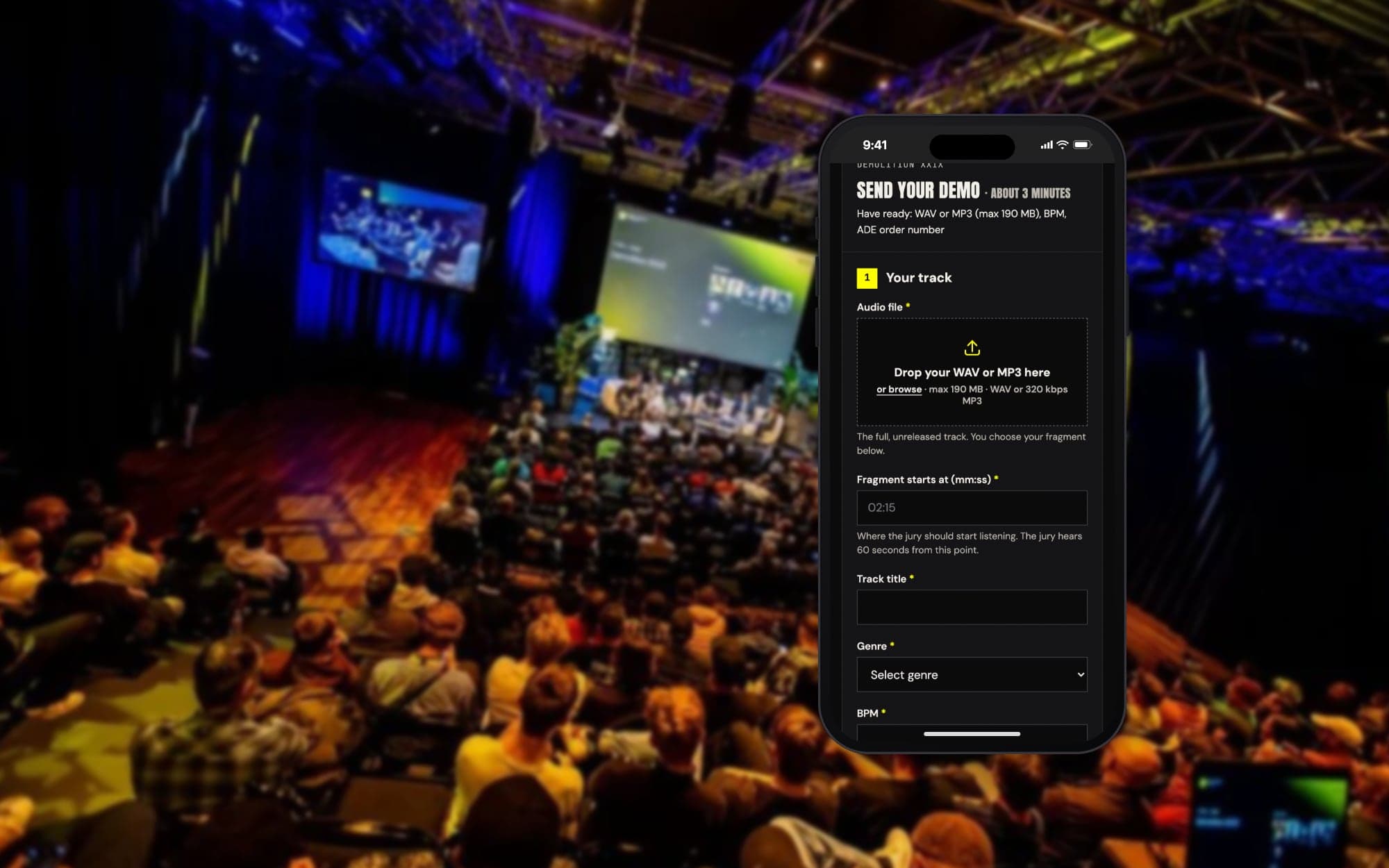
View the caseProducers submit their demo and choose the 60-second clip the jury hears.
View the case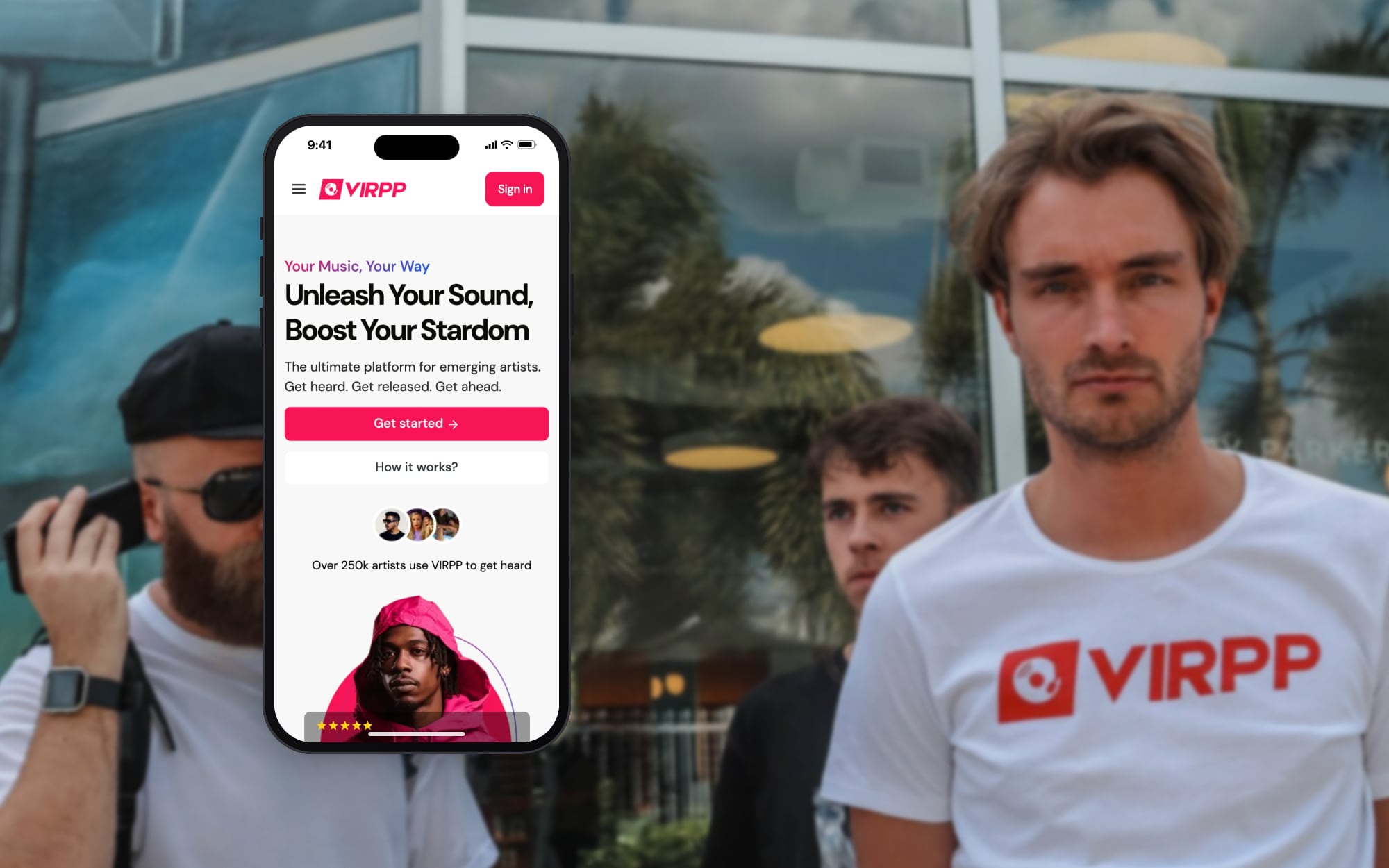
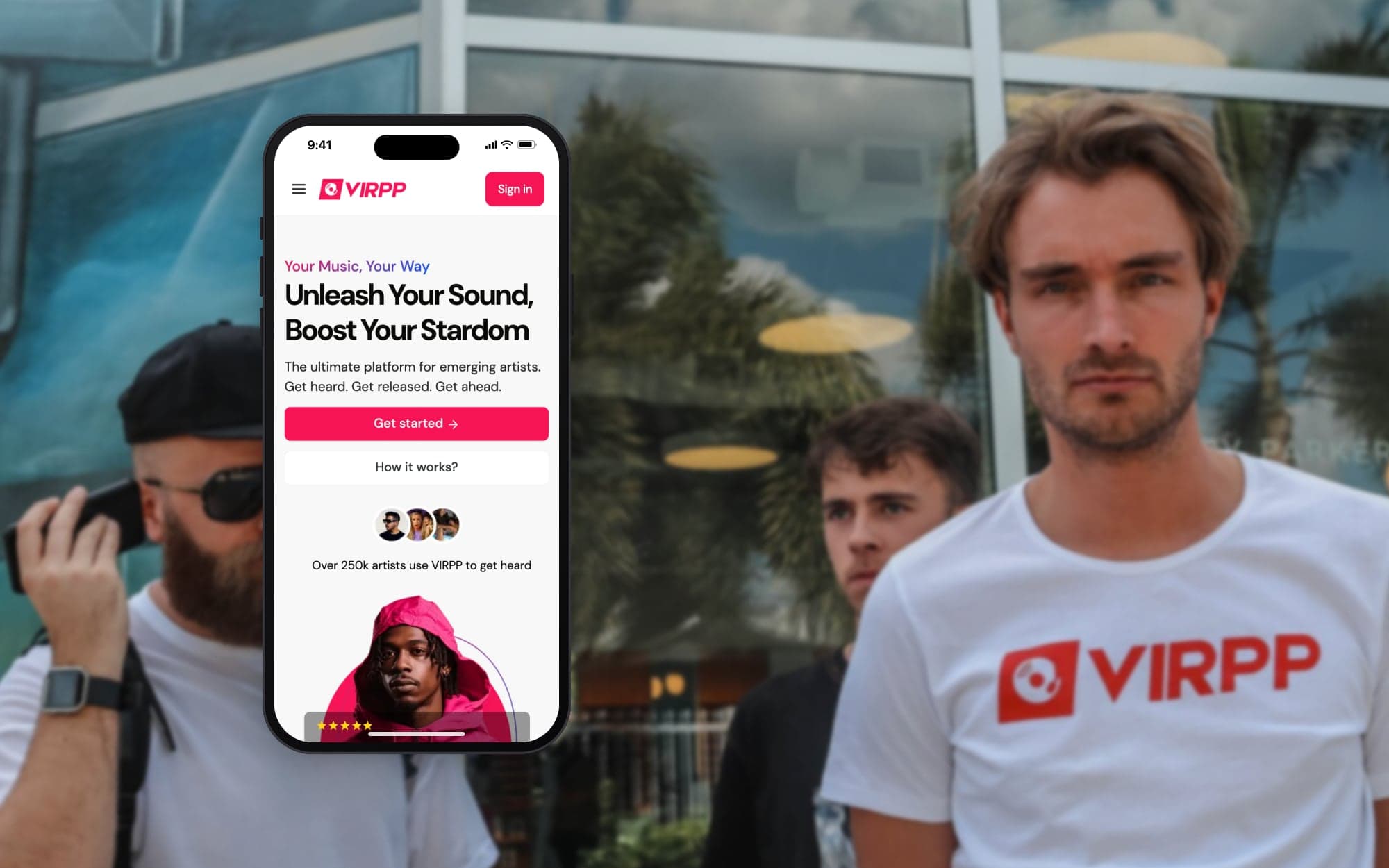
Music platform where more than 250,000 users release music, share demos and enter contests.
View the caseIn media and entertainment, clients include Signal.Stream, VIRPP, ADE, Toppers in Concert, RUMAG and Bar-le-Duc





Three moments when the technology gets in the way of the audience, the creators or the editorial team.
A release, the start of ticket sales or a campaign with a big reach. The audience arrives within a few hours, not spread across the week. If the site falls over then, you miss exactly the people you did it for.
Demos, tracks and entries arrive as a constant stream. Without filters and a fixed way of working, a jury or label reviews them in order of arrival, and good material sinks to the bottom.
For a media brand, content is the product. If every article, talent profile or campaign page has to go through a developer, the site falls behind what is happening.
No off-the-shelf package with a theme on top, and no custom build where an existing platform will do. This is how we work in this industry.
We start with the day it has to work: the release, the ticket launch, the deadline of an open call. From there we decide what needs building, and what doesn't.
We choose the platform, hosting and caching for the peak, not for an average week. If a platform such as Shopify absorbs the peak itself, we build on it rather than scaling servers ourselves.
Submitter and jury, artist and label, fan and star: each side gets its own route, on the same data. That keeps an upload, a review and a payout linked to each other.
Editors, talent managers and marketing teams work in the CMS or the admin environment, without a developer in between.
AI searches, sorts and summarises. The judgement stays with the editor, the jury or the label. If a filter or an ordinary search is enough, we'll say so.
Unreleased footage and submitters' details are only visible to the people who need them. We set that in the design, not afterwards.
In media and entertainment, the audience doesn't arrive evenly. It comes when something is announced, when ticket sales open or when a campaign goes live. That is exactly when a site can't afford to stall, so we design back from the busiest day.
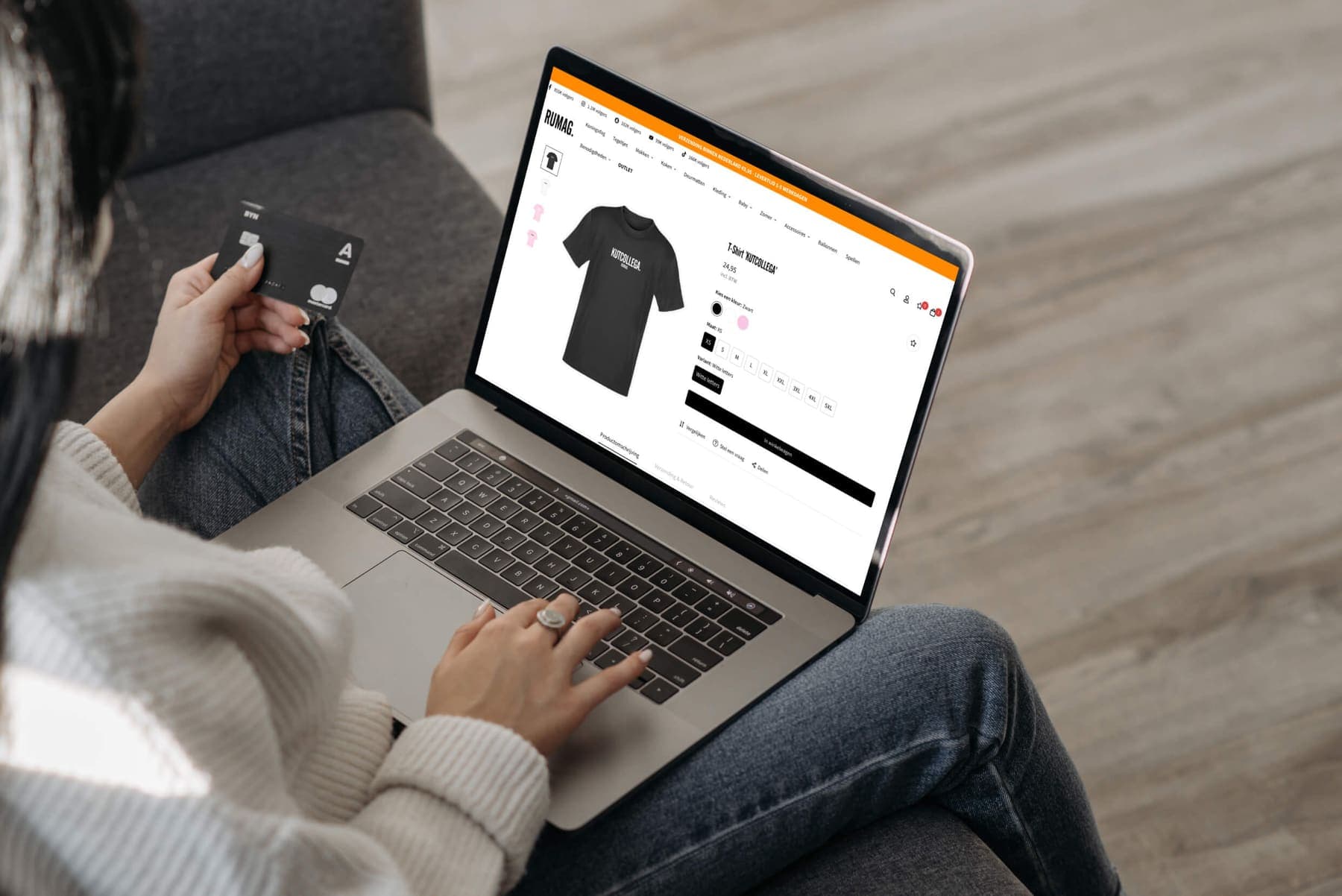
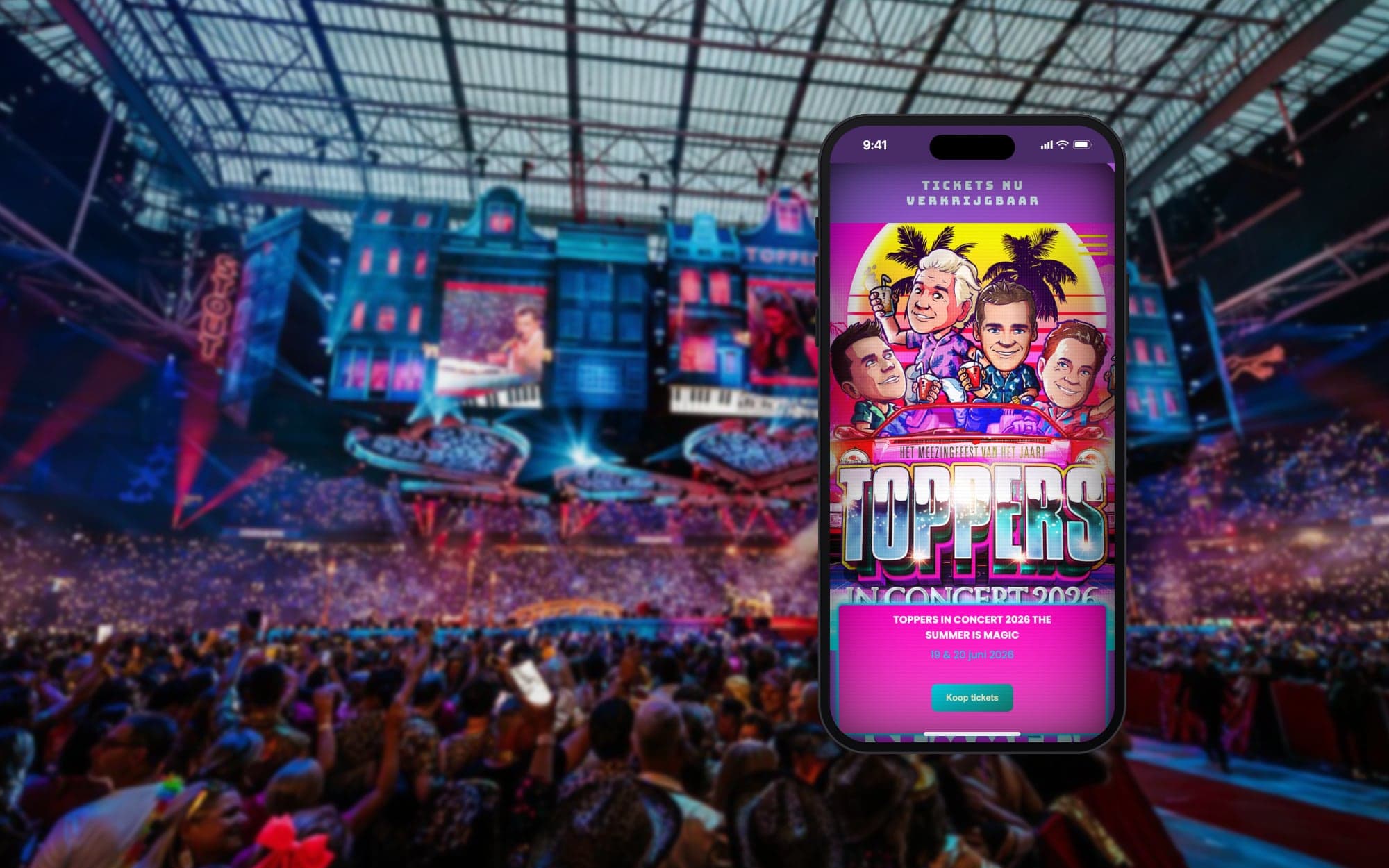
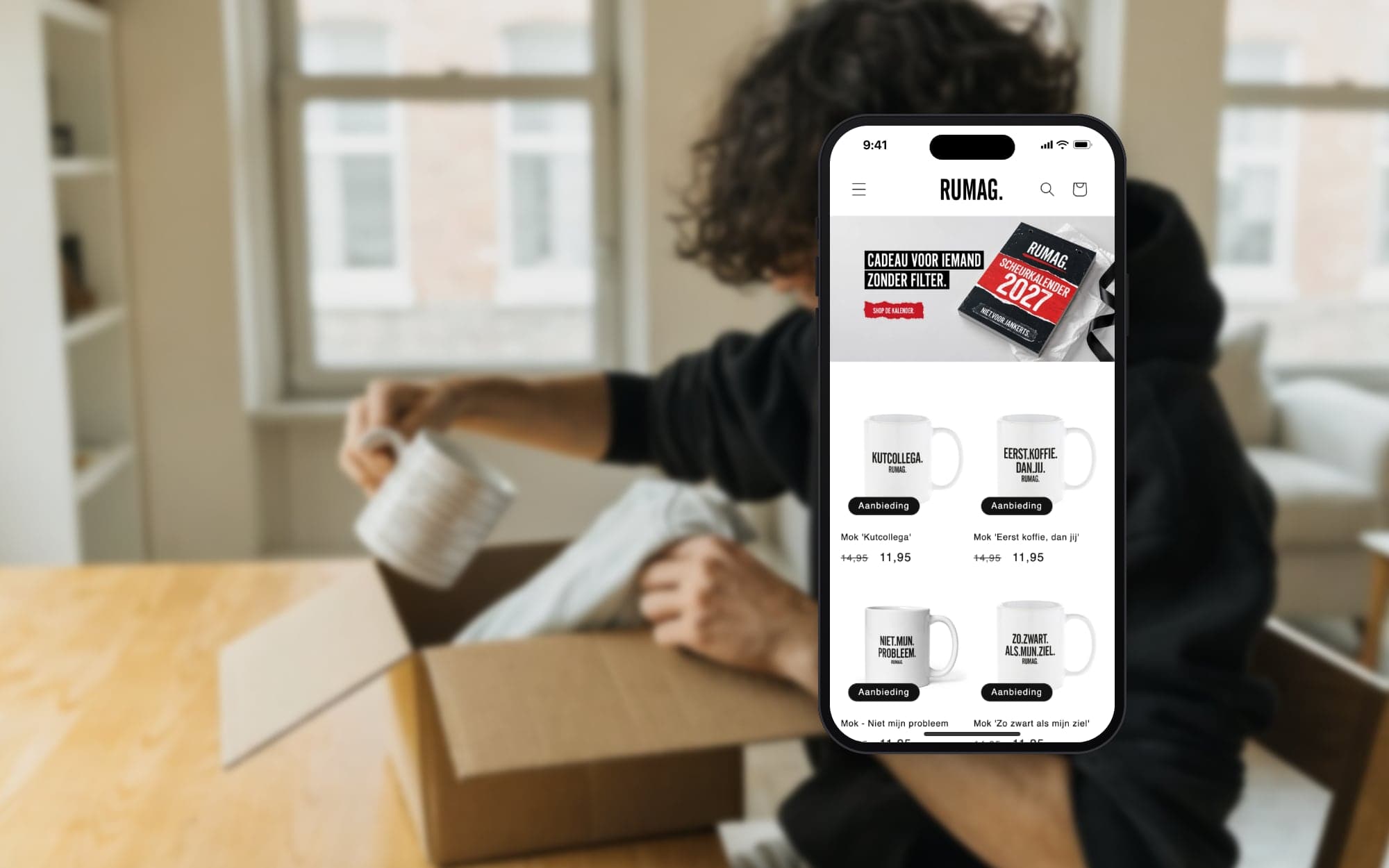
For RUMAG that meant migrating the online store from WooCommerce to Shopify, keeping products, customer data and the URL structure. Shopify absorbs peak load as part of the platform, so a campaign day needs no server work in advance. For Toppers in Concert we have looked after the digital online presence for five years, from reach to conversion into ticket sales.
A platform for creators always has two sides that need each other: the people who make something and the people looking for it. Artists and labels, fans and Dutch celebrities, talent and brands. Each side expects something different from the same environment. So we design both routes separately first, then bring them together on the same data.
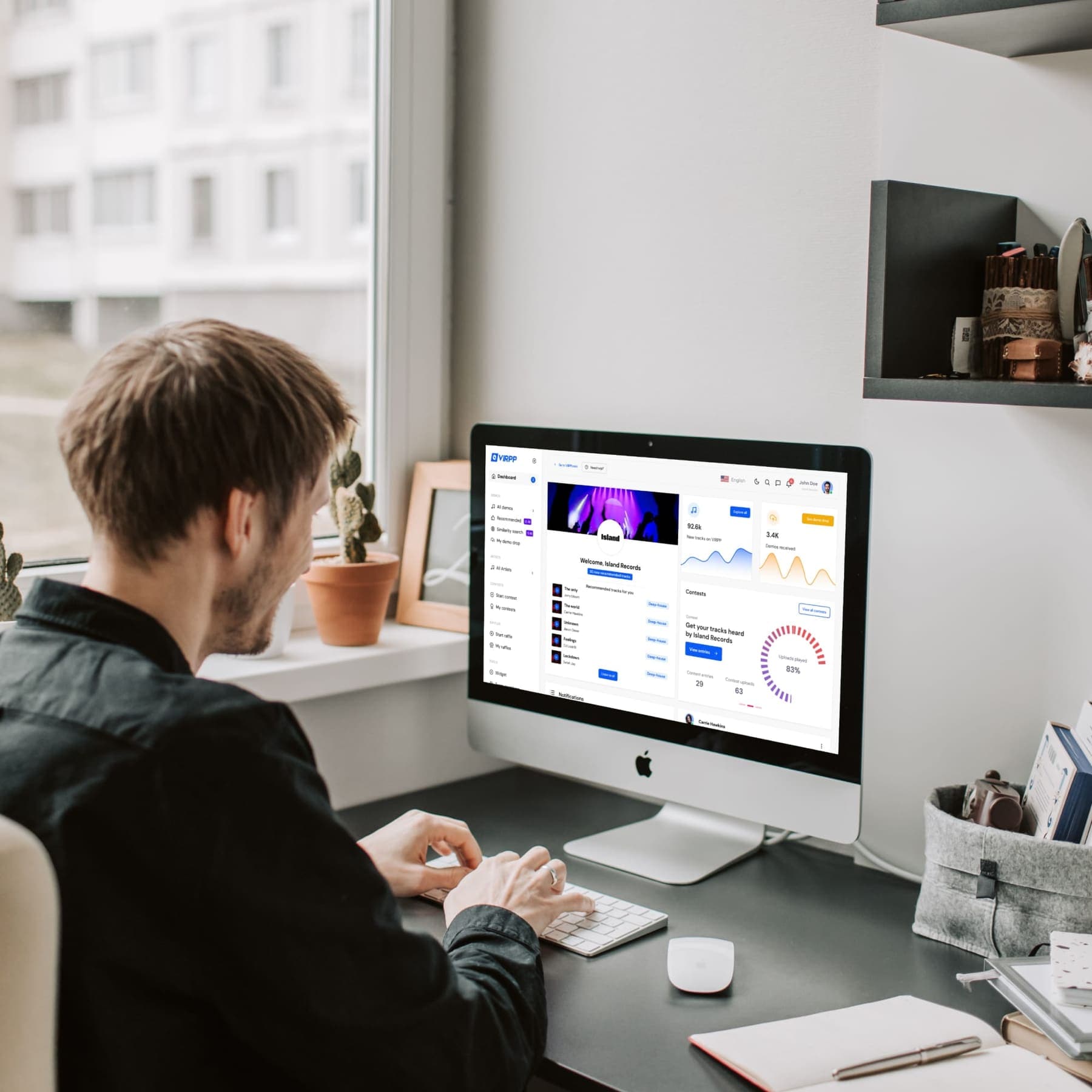
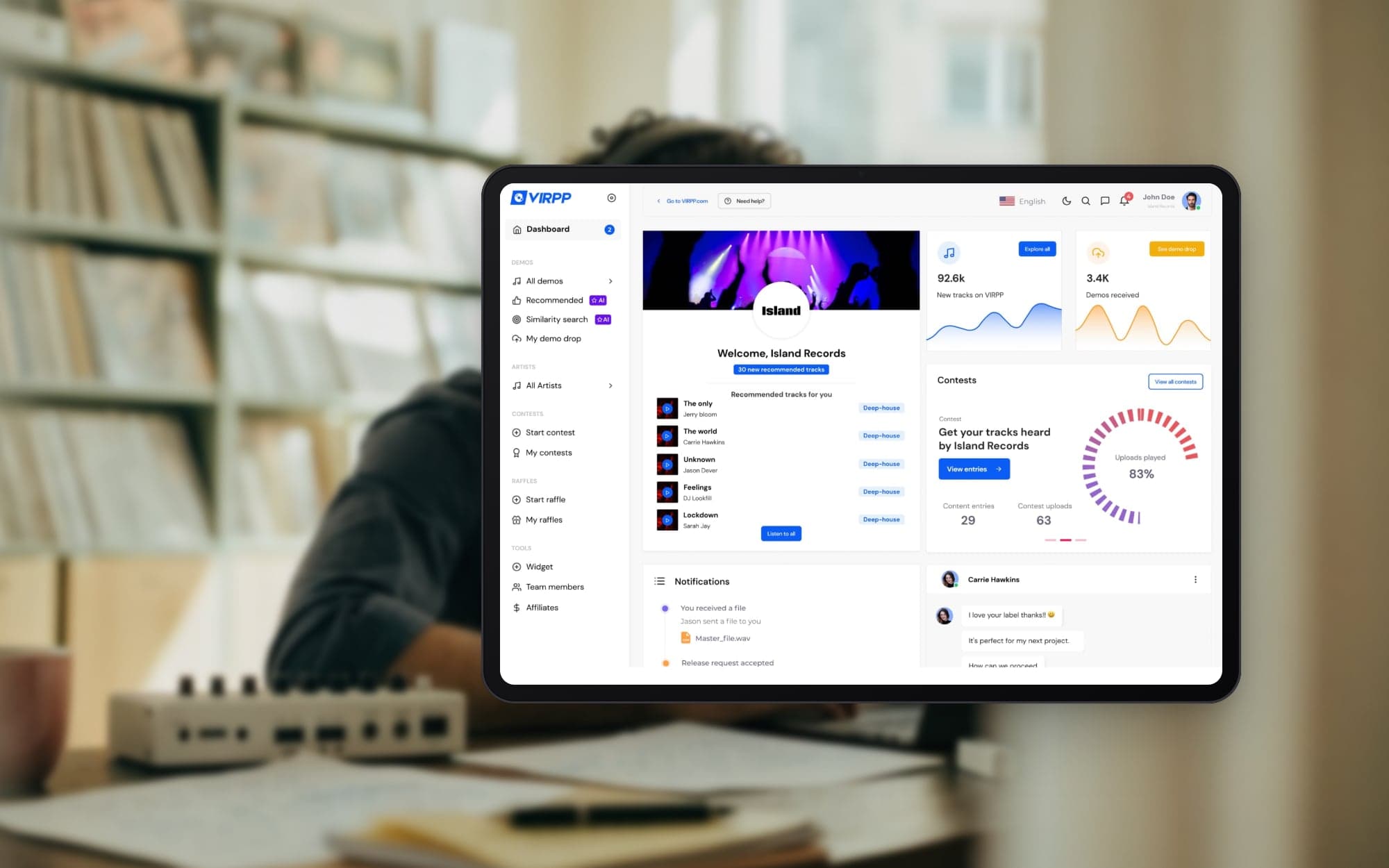
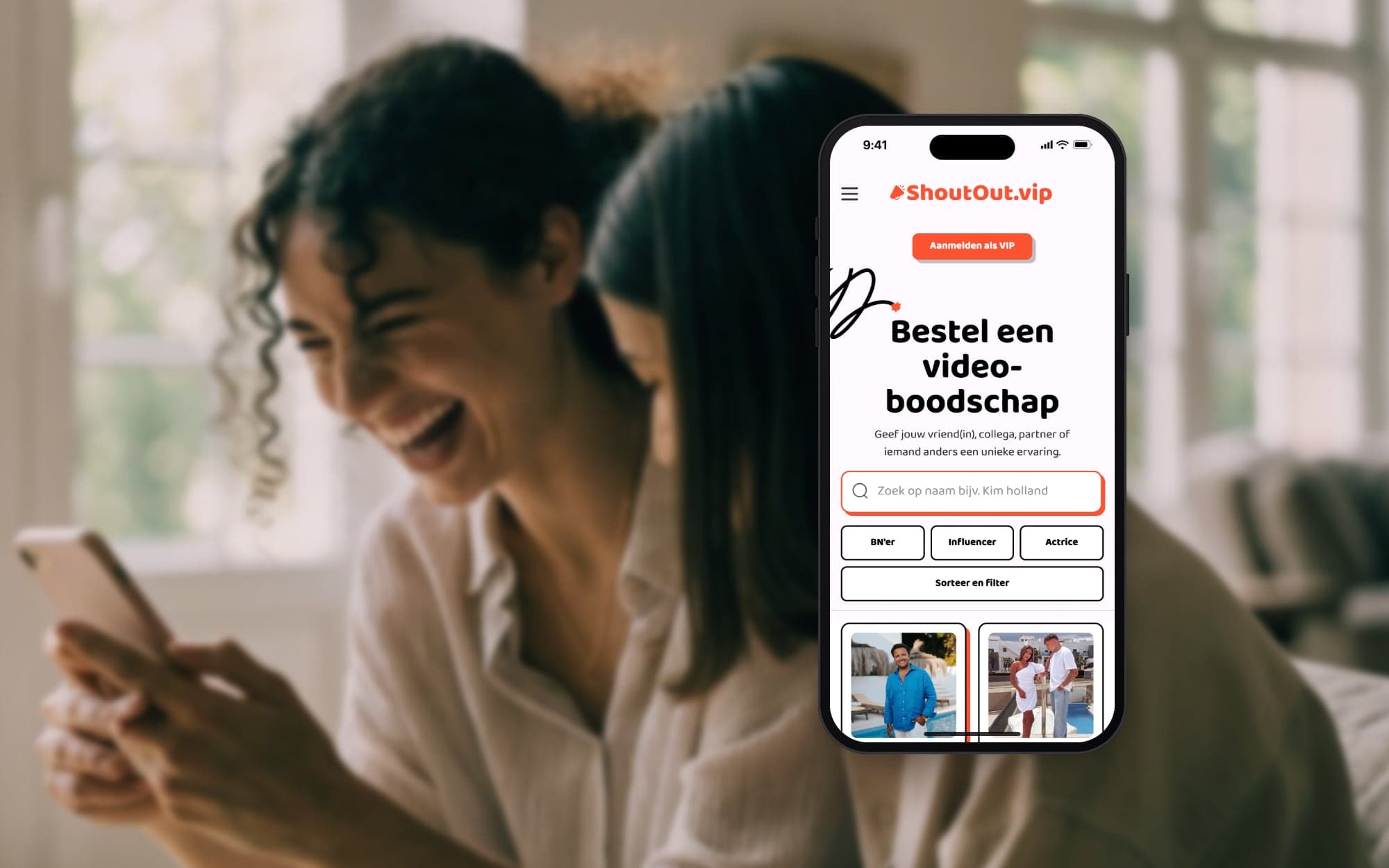
For VIRPP we built the music platform where more than 250,000 users release music to Spotify, Apple Music and more than 40 other streaming platforms. We also built the label dashboard, where labels search demos in a targeted way. Several labels have discovered and signed talent through it. For ShoutOut VIP, which connects fans with Dutch celebrities, we designed the relaunch of the platform, with a brand identity that is recognisable beyond the Netherlands.
With an open call, a competition or a demo submission, the work sits on two sides. The person submitting wants to be done in a few minutes, on any device. The jury wants to listen and choose quickly, without personal data or loose files. And on the day itself, the selection has to be ready.
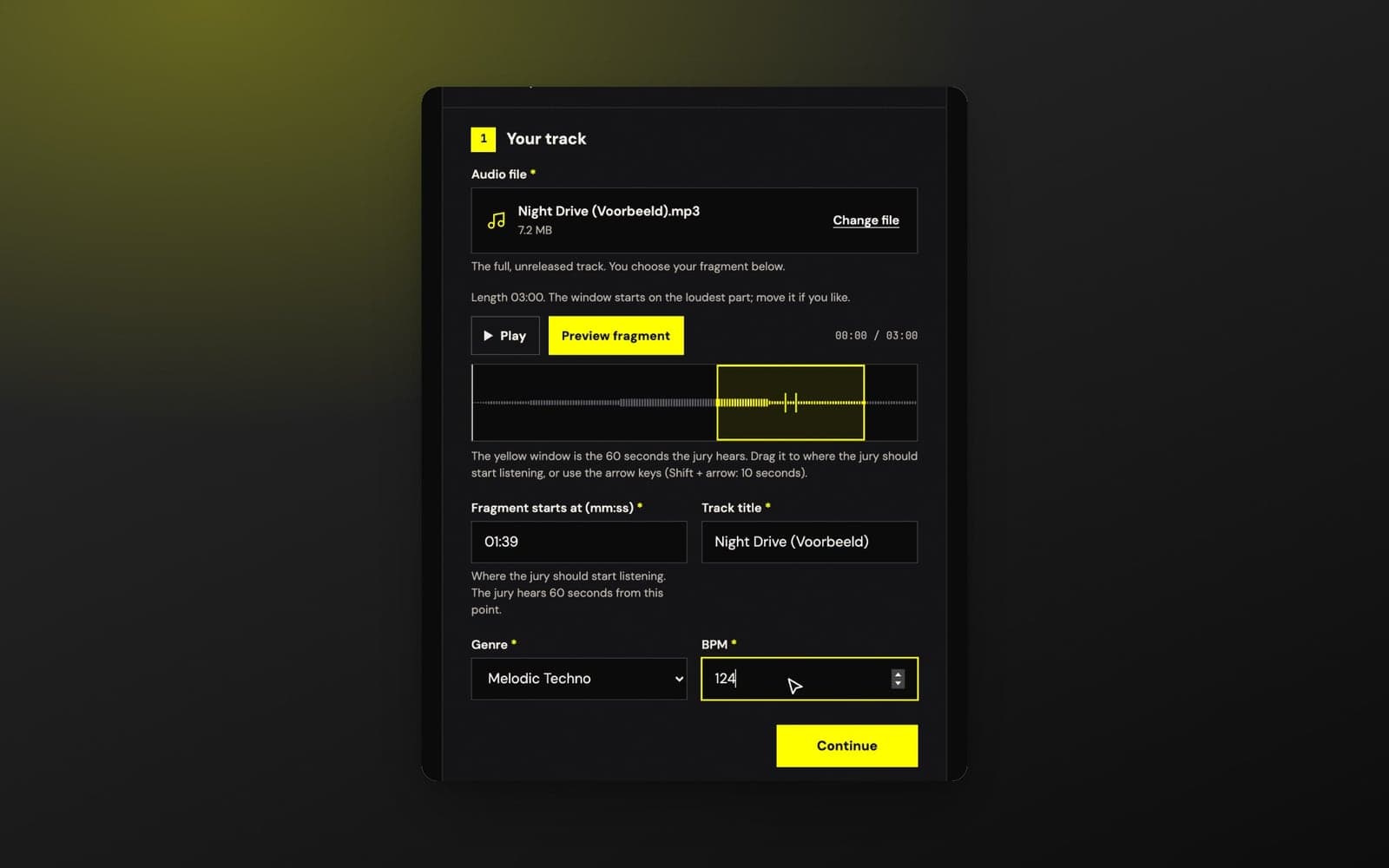
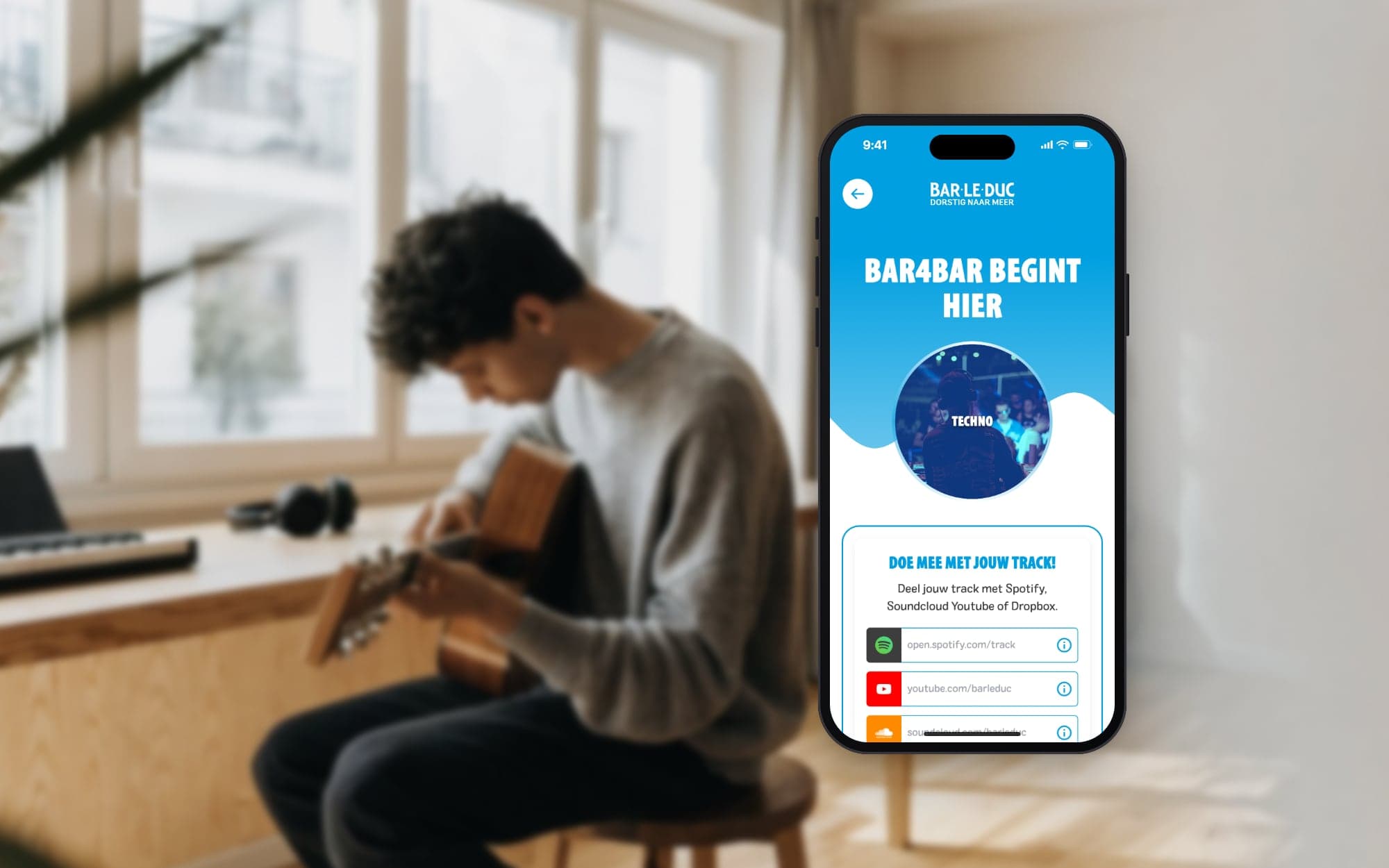
For ADE and VIRPP we built the platform for the ADE 2026 demo submissions. Producers upload a track of up to 190 MB and choose the 60-second clip the jury hears. They receive a confirmation with a submission number and a fingerprint of the file. The jury logs in at a separate address, sees no personal data, and the chosen tracks are ready as MP3s. For Bar-le-Duc's Bar-4-Bar we went for links instead of uploads: artists share their music via Spotify, YouTube, SoundCloud or Dropbox.
A reality production generates more video and audio than a team can watch back. The moments an editor builds around are in there somewhere, and someone has to find them. And unreleased material doesn't belong in a public AI tool.
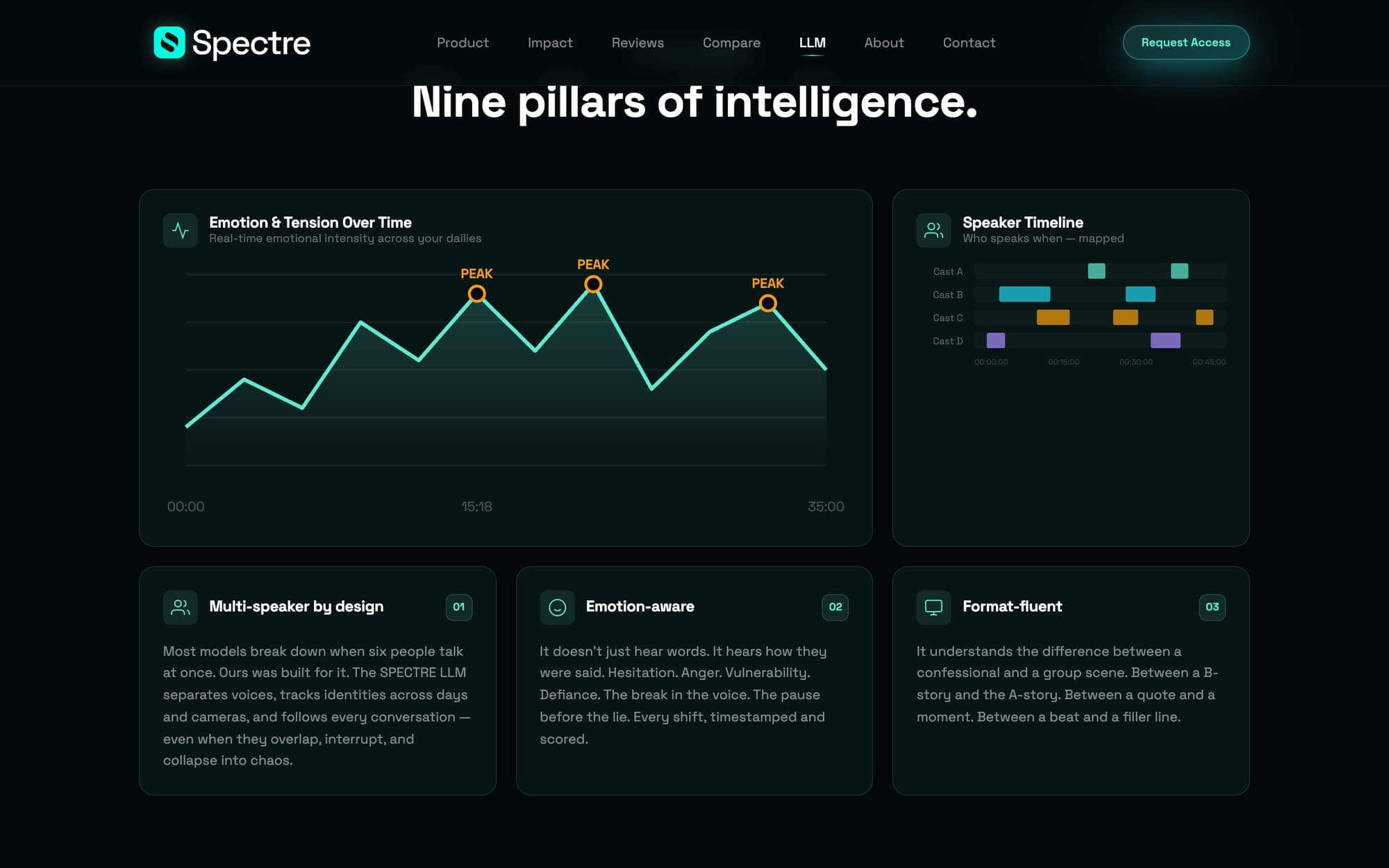
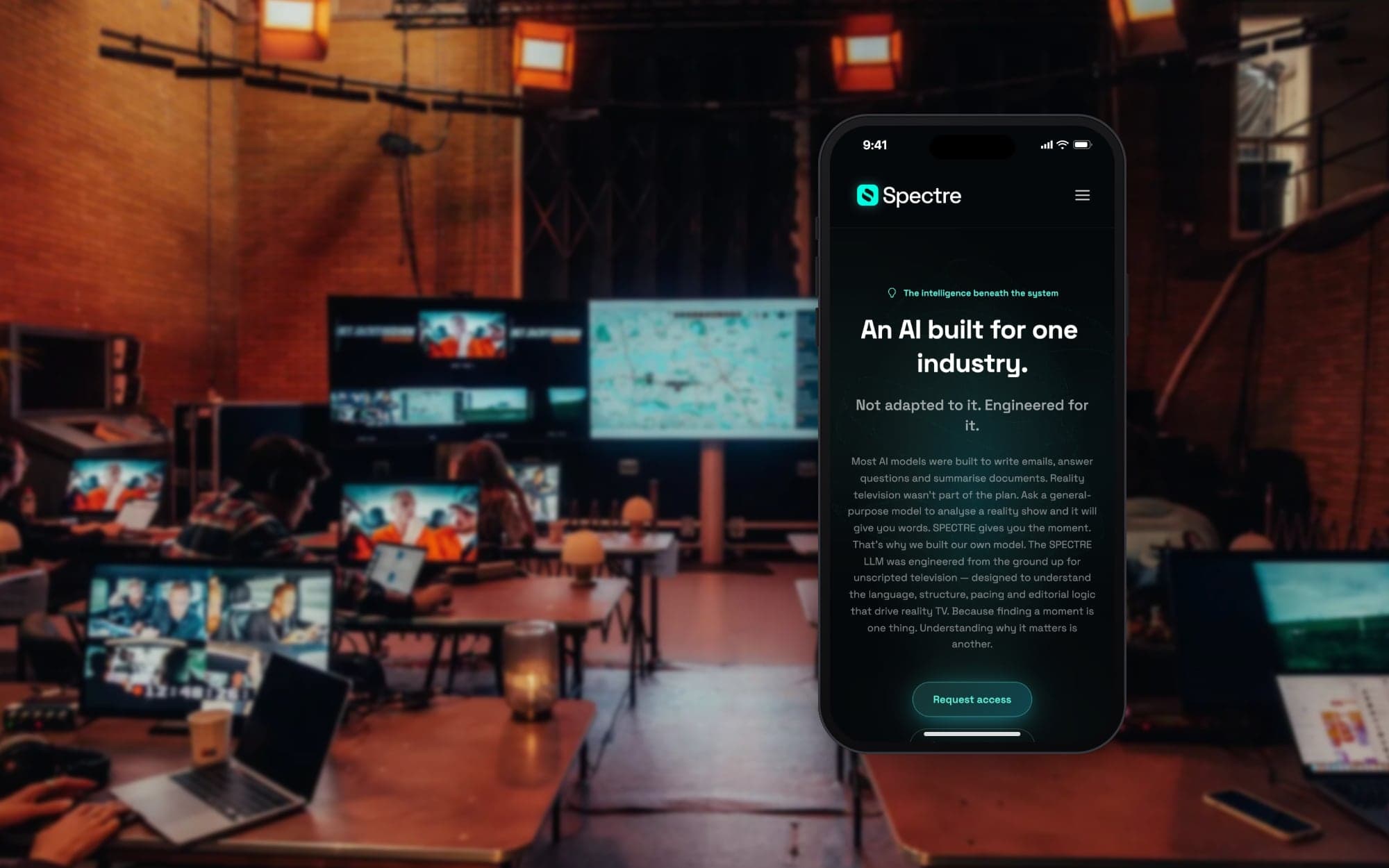
With Signal.Stream we built Spectre, an AI platform for unscripted television. Signal.Stream brought the production and editorial expertise. We did the AI engineering, the design and architecture of the platform, the processing of video and audio at scale, and the website. Scene detection, conversation intelligence, emotion and tension detection, daily reports and the AI Spotter are live.
AI doesn't replace the editor's judgement here. It takes away the searching, so the team spends its time on the story.
For a media brand, content is the product. Articles, sections, talent profiles and campaign pages need to go live as soon as they are ready. So we separate content from presentation: editors work in a headless CMS, and the site around it can be set up separately for busy moments.
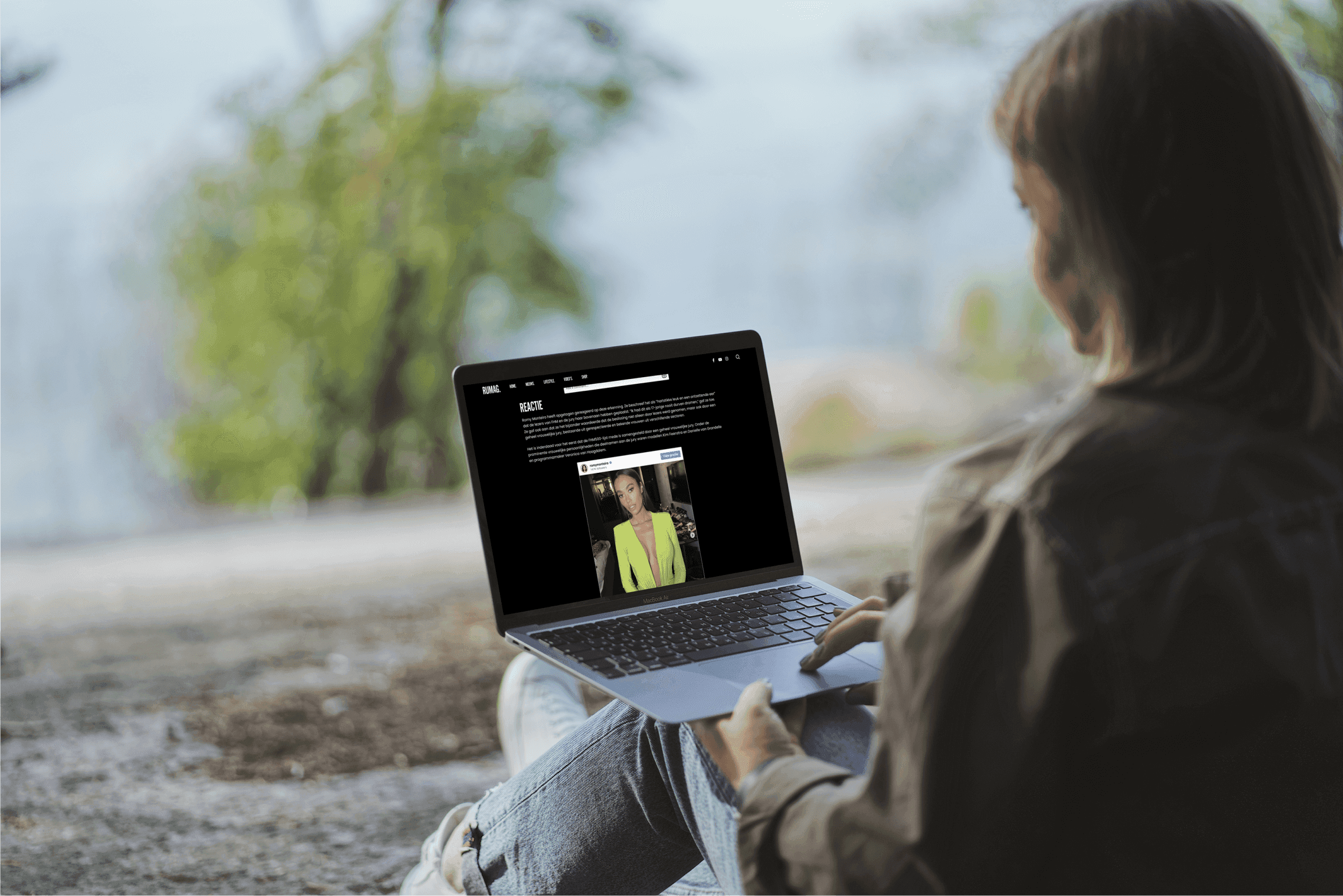
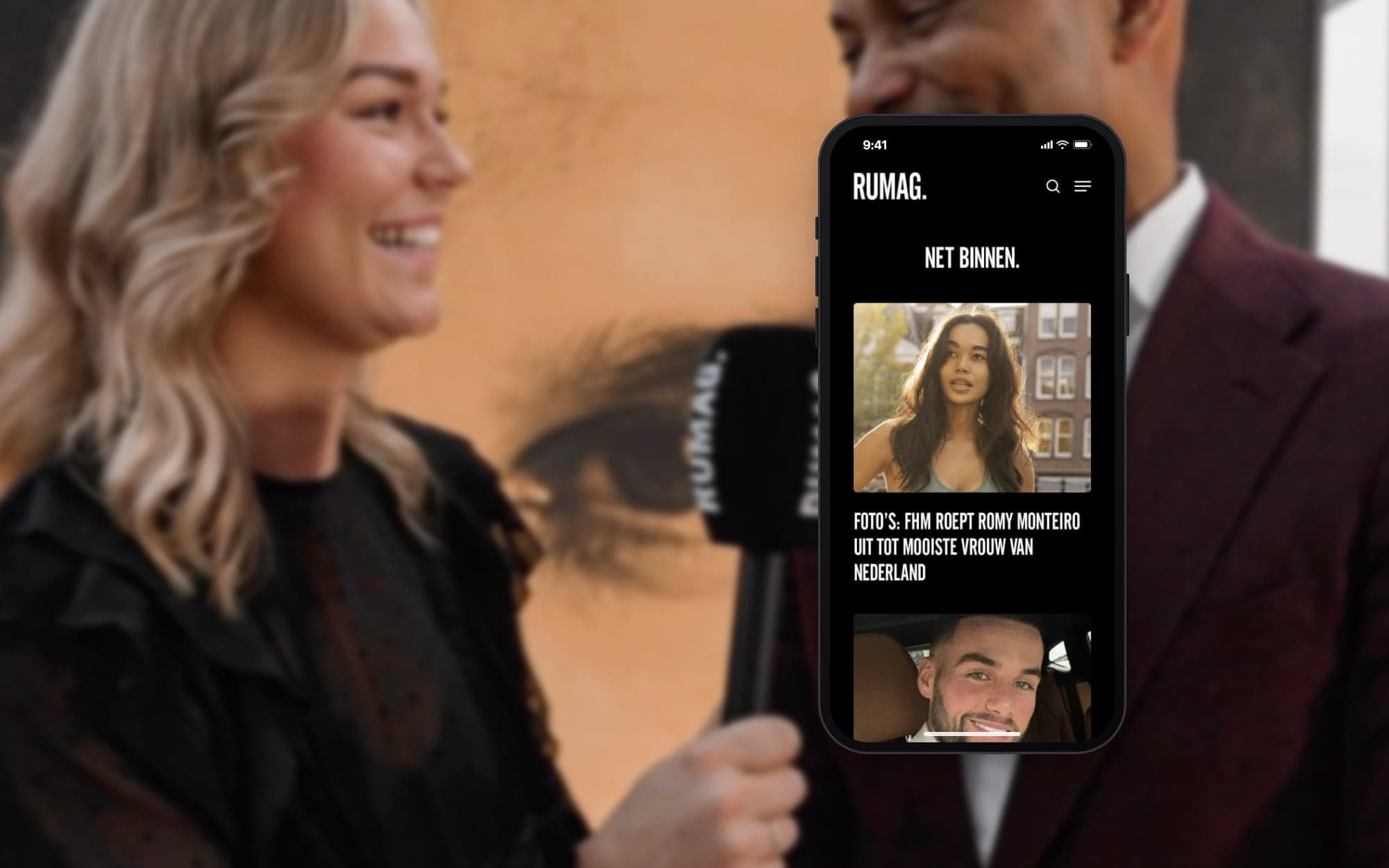
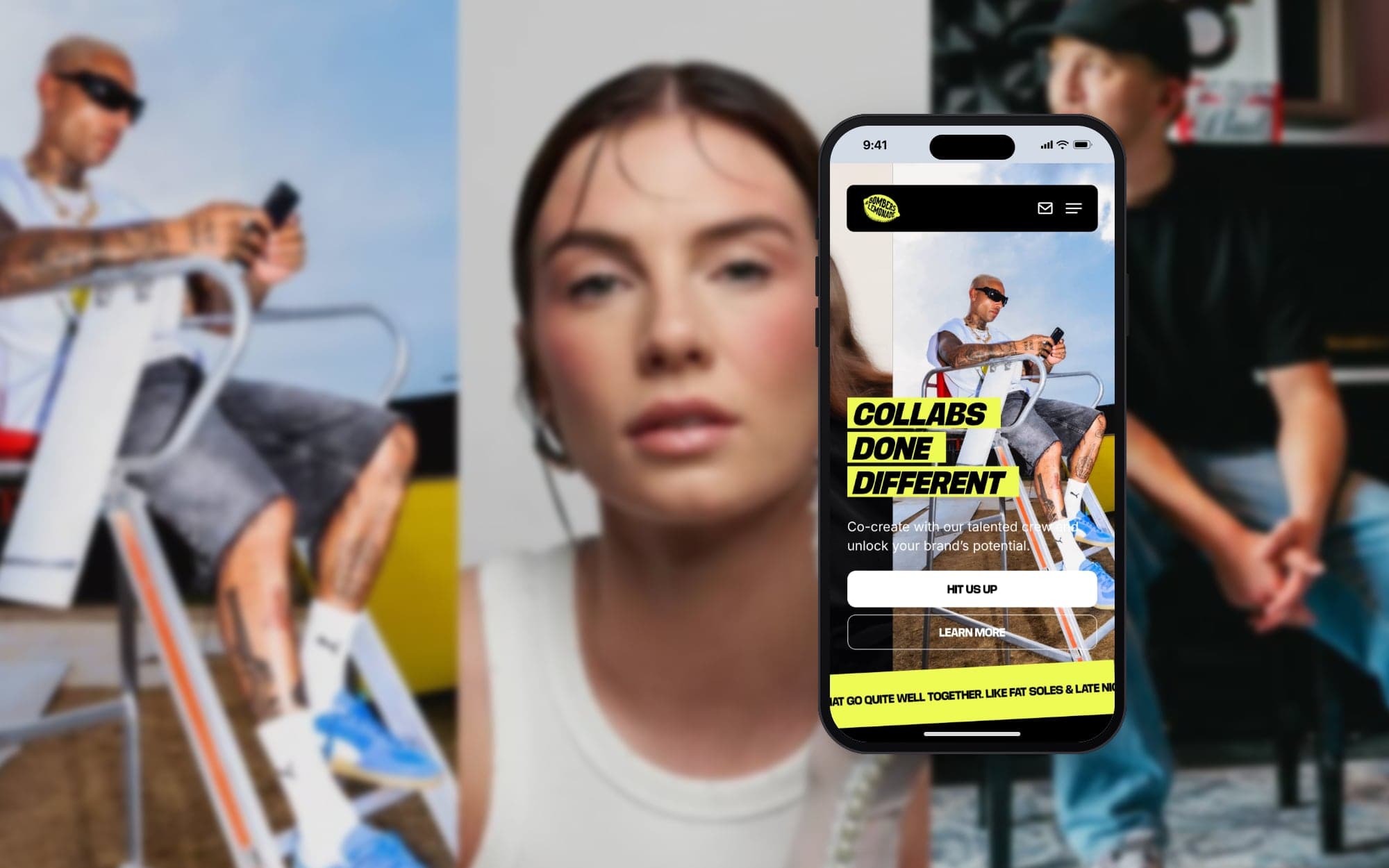
For RUMAG we built the blog on Strapi, where the editorial team publishes on its own, with advertising tools that fit the content and analytics that measure clicks and interactions. For talent agency Bombers & Lemonade we built a custom website where the team adds talent and collaborations themselves. With a new website we also deliver a dedicated MCP server, so your team can create and edit pages through Claude or ChatGPT using the building blocks of your own design system. Every change is saved as a draft with a preview first.
Only technology from the cases on this page. The choice follows the question, not the other way round.
 Next.js
 React
React Vue
Vue Laravel
 Strapi
 Shopify
 Figma
FigmaPlatforms, sites and AI for music, television, events and content brands. Filter by theme.
Four steps. The pace follows the date it has to go live: a release, a deadline or a new edition.
We start with the date and with who uses it: submitters, jury, fans or editors. That tells us what needs building, and what an existing platform can already do.
We design the route for each group and capture the design in a design system, so an in-house team can keep building on it later.
We build in short rounds and choose the platform, hosting and caching for the busiest day. Access and logging are sorted before go-live, not after.
After launch we keep an eye on usage and errors, and adjust for the next release, edition or campaign.

No account manager. Your first conversation is with someone who does the work, often with one of the founders. After that you build with a dedicated team from our office in Amsterdam.
Music platforms, events, productions and content brands. We built VIRPP's music platform and label dashboard, the platform for the ADE 2026 demo submissions together with VIRPP, and the AI platform Spectre for unscripted television with Signal.Stream. For Bar-le-Duc we built the music competition Bar-4-Bar, for RUMAG the blog and the online store, and for Bombers & Lemonade the website. For ShoutOut VIP we designed the relaunch of the platform. And for Toppers in Concert we have looked after the online presence for five years, from reach to conversion into ticket sales.
That depends on how it is set up, not on the industry. We design for the busiest day: the choice of platform, hosting and caching. Shopify and Shopify Plus absorb peak load as part of the platform, without you having to scale servers. That's why we migrated RUMAG's online store from WooCommerce to Shopify, keeping products, customer data and the URL structure.
By separating it in the design. On the platform for the ADE and VIRPP demo submissions, the jury sees the artist name and the track, but not a producer's real name or contact details. Jury members log in at a separate address with a password and a code sent by email, and the chosen tracks are ready as MP3s for the session.
Mainly take over the searching. Spectre, the AI platform we built with Signal.Stream for unscripted television, recognises scenes, conversations, emotion and tension in video and audio, and gives the story team daily reports and an AI Spotter. The judgement stays with the editor. For marketing and customer service, an AI employee can do the gathering and sorting, such as a social inbox or a monthly report.
Yes, that is usually the starting point. At RUMAG the editorial team publishes in a blog built on Strapi, a headless CMS. With a new website we also deliver a dedicated MCP server, so your team can create and edit pages through Claude or ChatGPT using the building blocks of your own design system. Every change is saved as a draft with a preview first.
With a conversation about what needs to work, for whom and by what date. The cost depends on what needs building; we only give a figure once the scope is clear. If your question is about AI or automation, the AI Opportunity Audit is the first step: in five working days you see where manual work is holding you back, what it costs and what we would not do.

 Your message goes straight to our team in Amsterdam.